
Fire Damage Restoration : Columbia, TN
Fire Damage Restoration in Columbia, TN for Kitchen, Electrical and Heating Fires
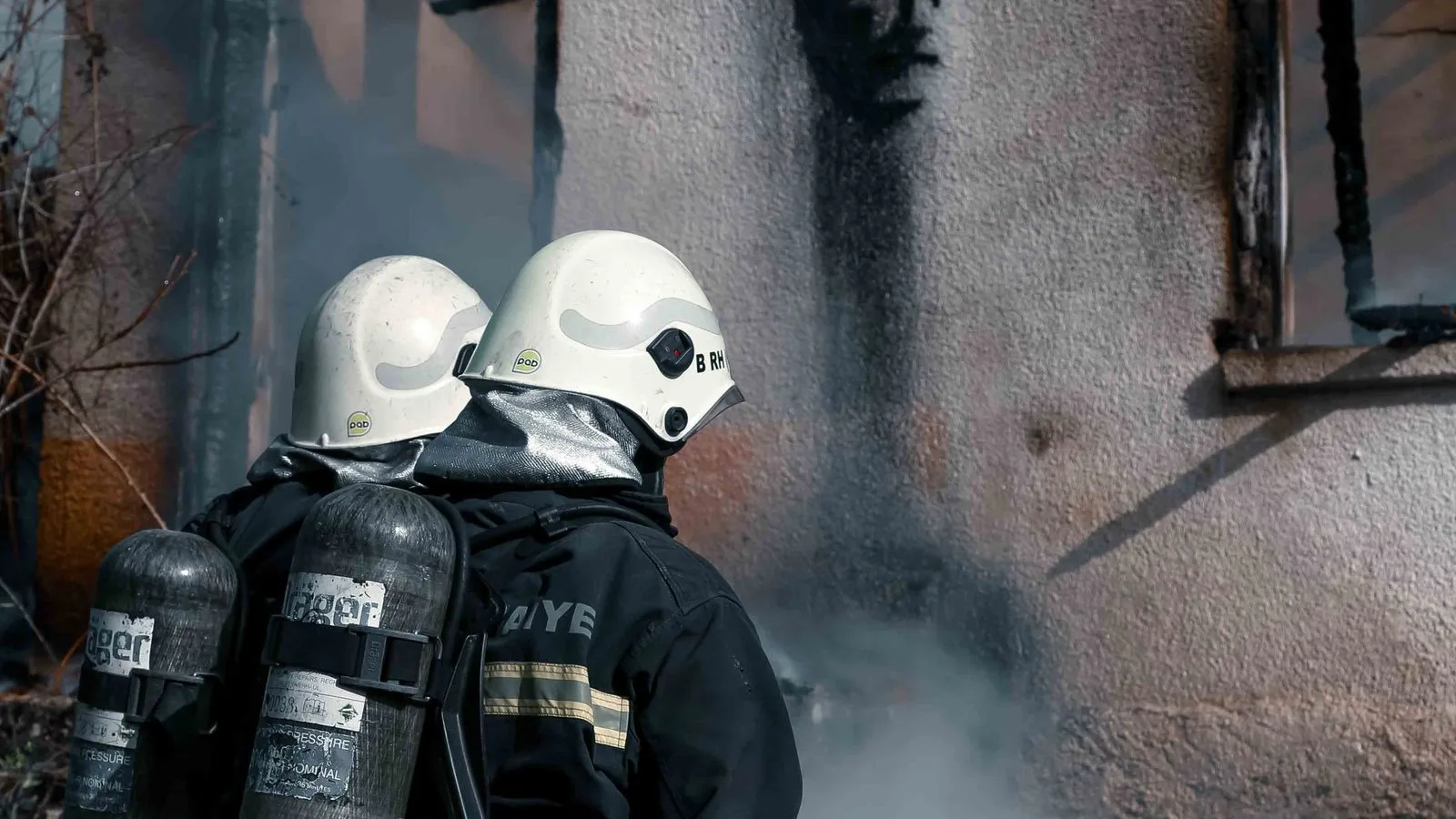
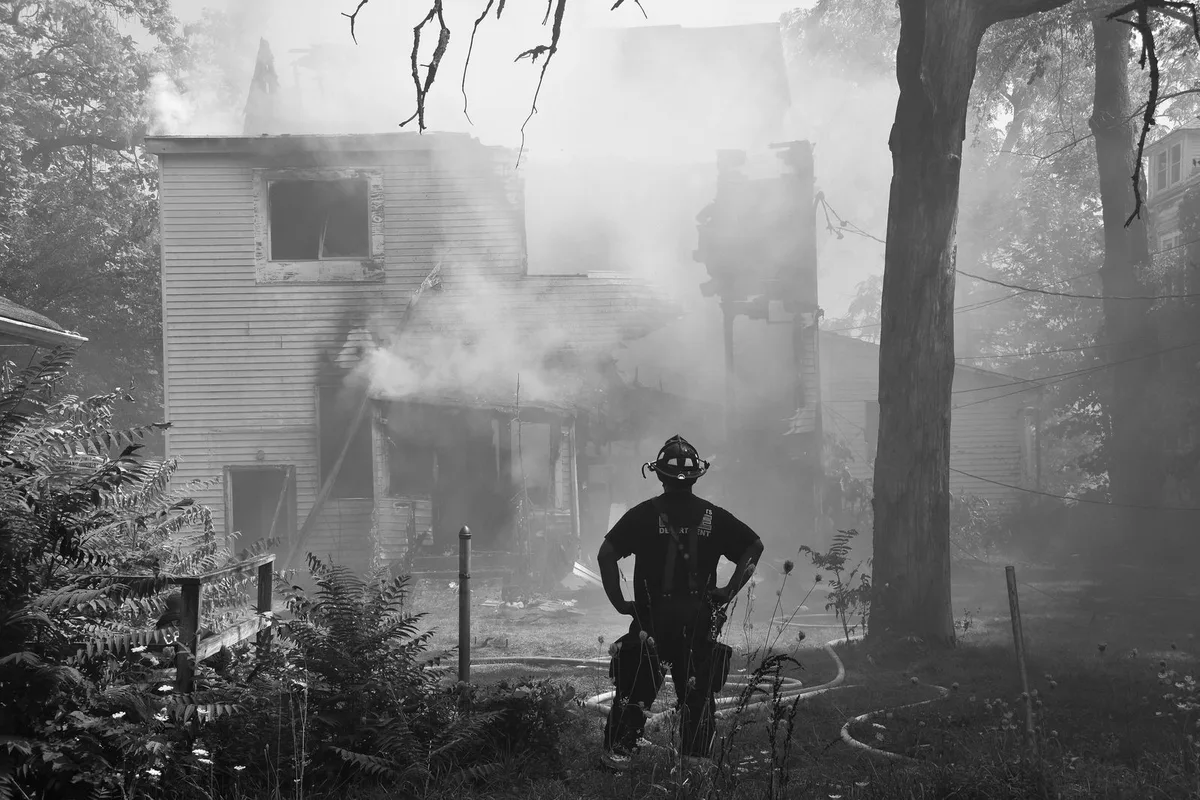
A house fire in Columbia is a race against the soot: within hours it settles on every wall, within a day or two the smell soaks into carpets and clothing, and the water from firefighting keeps damaging the house after the flames are out. Duck River Fire Pros boards up the openings, names the soot type, cleans by surface and quotes the restoration in writing. Call, describe what happened, and a crew comes out to assess the damage.
- ✓Board-Up First
- ✓Soot Type Named
- ✓Contents Logged
Why Columbia Homes Catch Fire
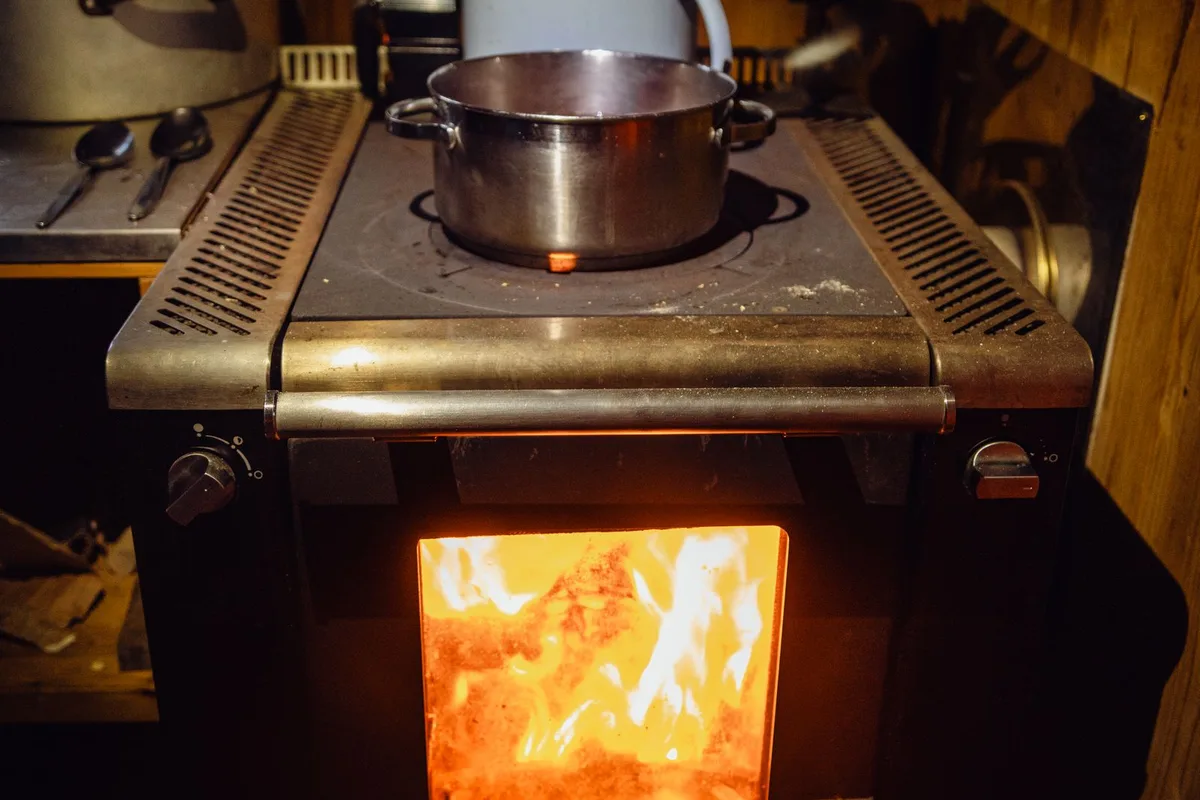
Cooking starts nearly half of all home fires, about 49 percent nationally, and Columbia follows the same pattern: grease fires on the stove, oven fires, and kitchen fires that fill the house with smoke in minutes. Heating is the second cause at about 13 percent, and electrical fires run about 9 percent. Winter is the dangerous season in Tennessee: nearly half of all fatal fires, 47.9 percent, happen between November and February, January is the worst month, and space heaters cause about a third of fatal heating fires. The Tennessee State Fire Marshal winter fire guidance carries the same winter warning, and the U.S. Fire Administration after-a-fire guide explains the first day after a fire.
Columbia saw the pattern again in 2026: a kitchen grease fire on Bonnie Blue Lane and a chimney fire on Rock Springs Road in January, a house fire in November, and an August lightning strike in the Candlewood subdivision in Spring Hill that travelled underground to a home and entered at the dryer. Columbia Fire and Rescue has served the city since 1868 with about 100 firefighters from five stations, the headquarters at 1000 South Garden Street, and the crew that answers a Columbia fire knows these houses: the pre-1950 homes near the downtown square with original wiring, and the 1970s ranches in Sunnyside. The National Weather Service Nashville office carries the forecast and the storm history for Middle Tennessee.
Fire Damage Restoration Services in Columbia, TN
Ten services cover every part of a fire loss, from the first board-up to the last coat of paint. Pick the service that matches what you see: the page carries the signs, the steps and the costs.
01
Emergency Fire Damage Cleanup
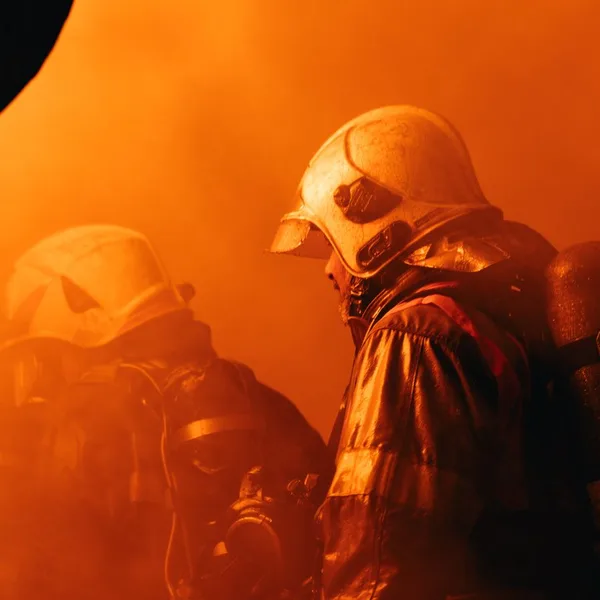
The first hours after a fire decide how bad the job becomes: board-up, debris removal and soot control on call around the clock.
02
Smoke & Soot Removal
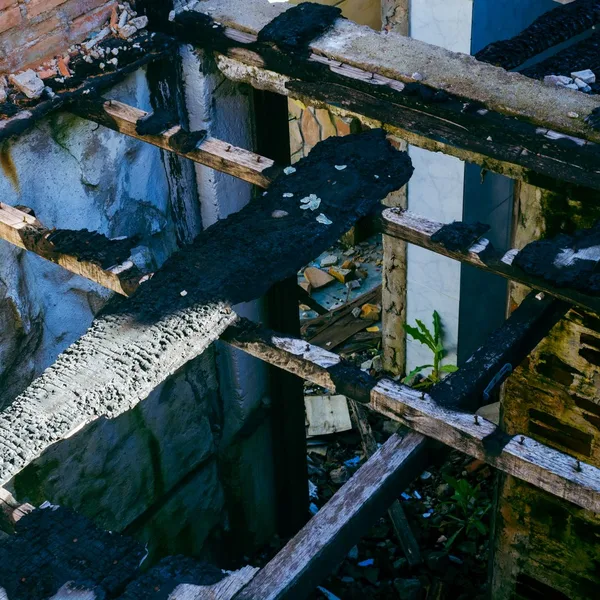
Soot is not one substance, and cleaning it with the wrong method makes the damage worse instead of better.
03
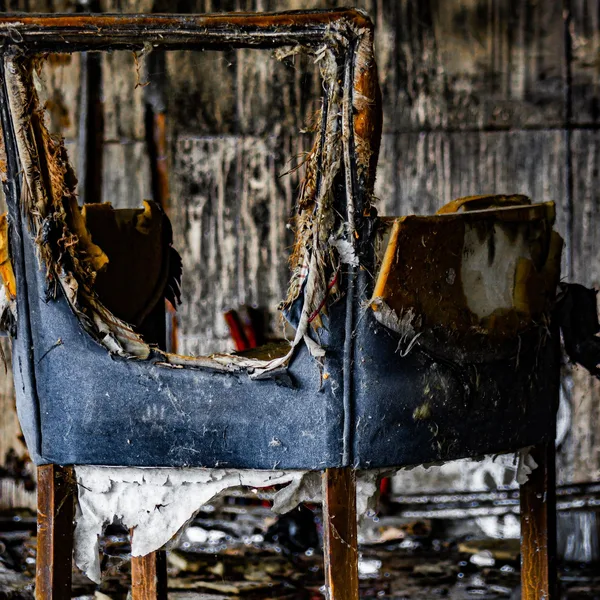
Smoke Odor Removal & Deodorization
Smoke odor is the part of a fire loss that outlasts the visible damage, and covering it up only postpones the complaint.
04
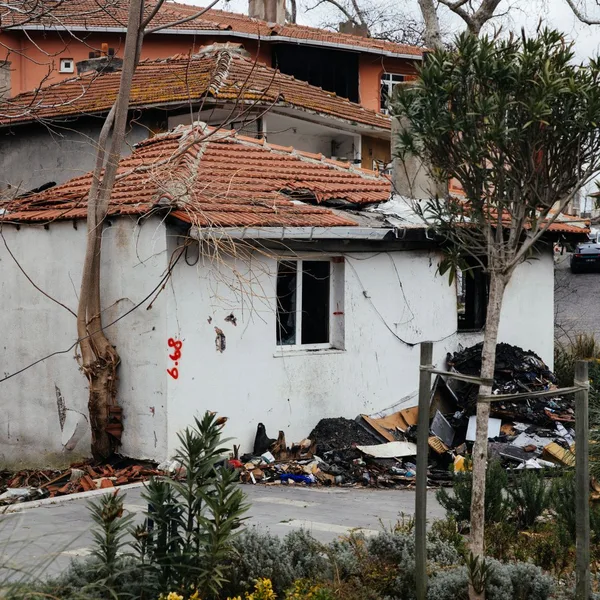
Board-Up & Property Securing
A fire rarely ends when the flames go out, because it usually leaves the property open to rain, wind and intruders.
05
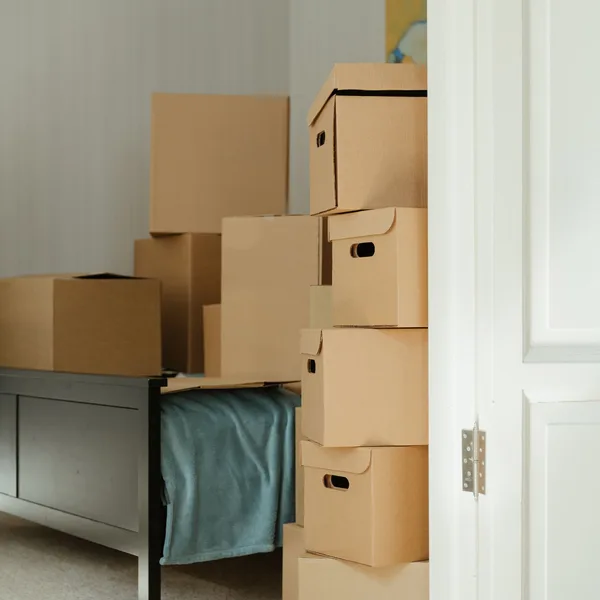
Contents Cleaning & Packout
The contents of a home are often salvageable even when the structure is badly damaged, and they matter most to the family.
06
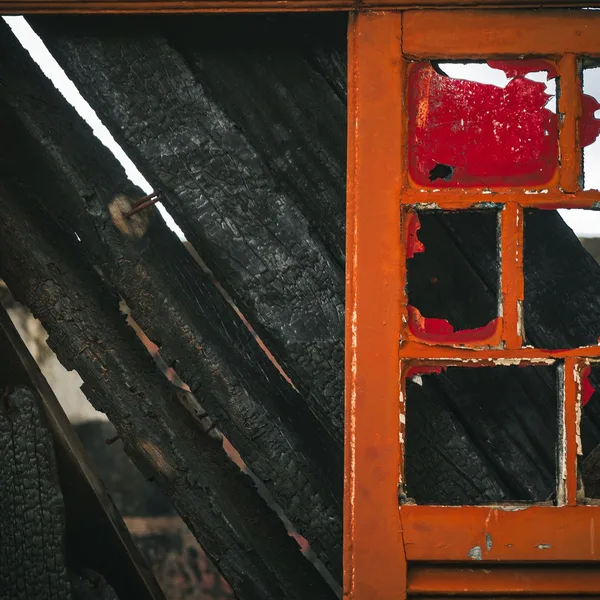
Structural Fire Damage Repair
Fire weakens a structure in ways that are not visible from the room, and the repair must start with an honest assessment.
07
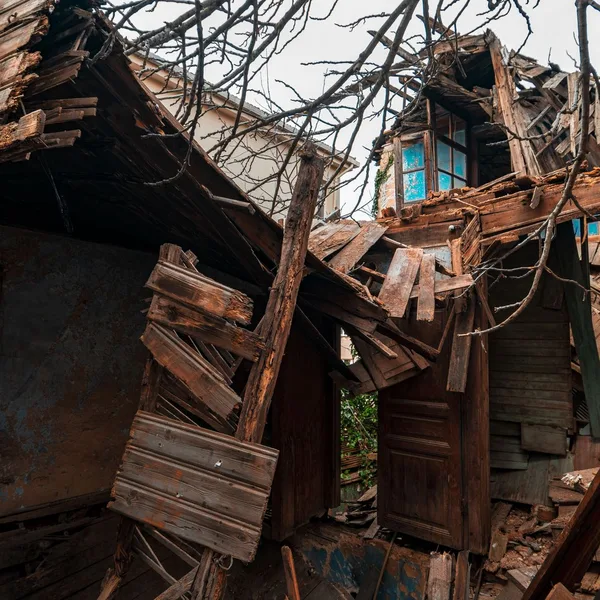
Water Damage Cleanup After Firefighting
Every fire fought with water leaves a second loss behind it, and it is the loss most homeowners forget to plan for.
08
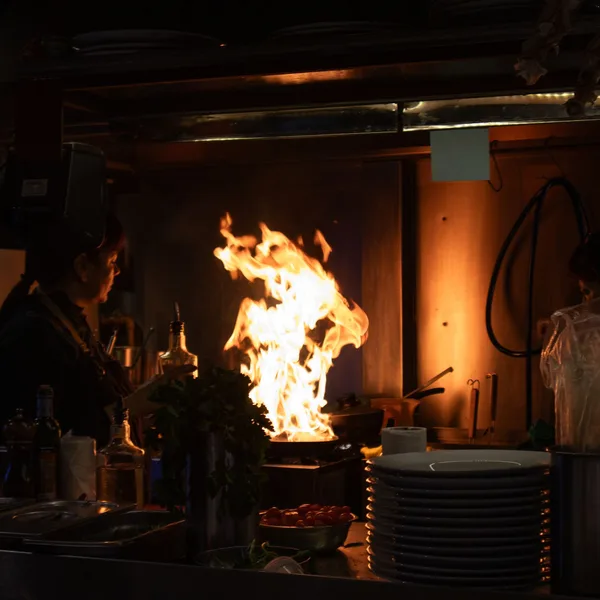
Kitchen Fire Cleanup
The kitchen is where most residential fires start, and it is also where the soot is hardest to clean.

09
Electrical Fire Damage Cleanup
An electrical fire is the one fire loss where the cleanup must wait for the cause, because rebuilding over a live fault burns again.

10
Fire Damage Inspection & Assessment
Every fire damage job starts with an inspection, because smoke travels further than the eye can see.
Fire Damage Restoration Across Columbia, TN
Nine areas account for most calls, and each one burns differently: old wiring downtown, 1970s ranches in Sunnyside, new-build kitchen fires in Arden Village and Bear Creek Overlook, brush risk on Carters Creek Pike. Pick your part of the city.
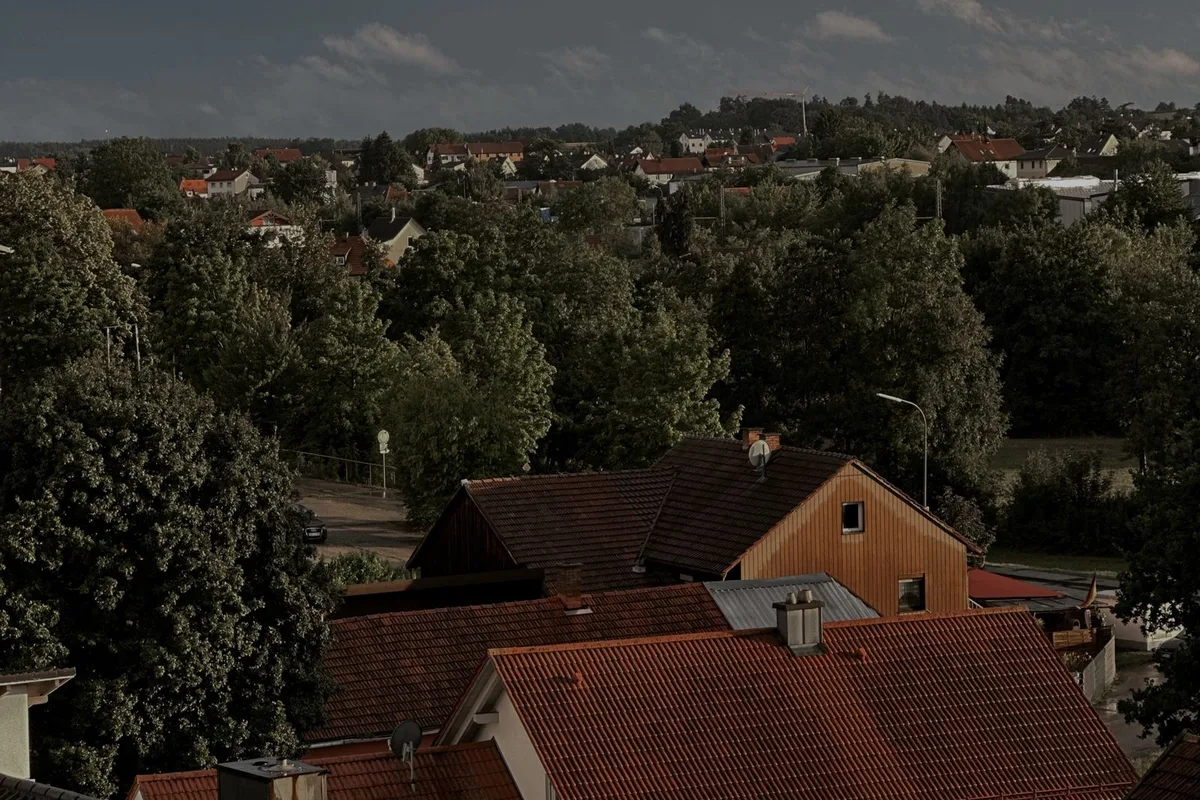
Riverside
ZIP 38401Riverfront historic homes; old wiring and fireplaces
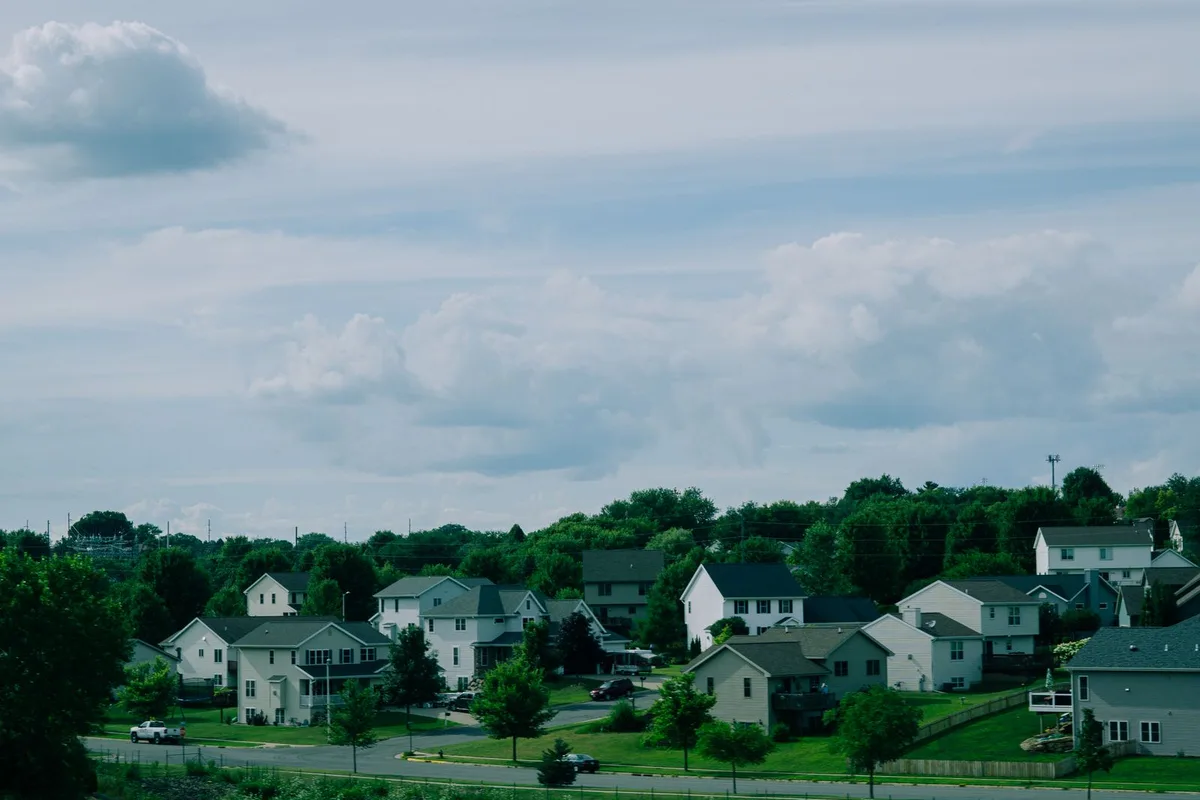
Sunnyside
ZIP 384011970s brick ranches; ageing wiring and heating
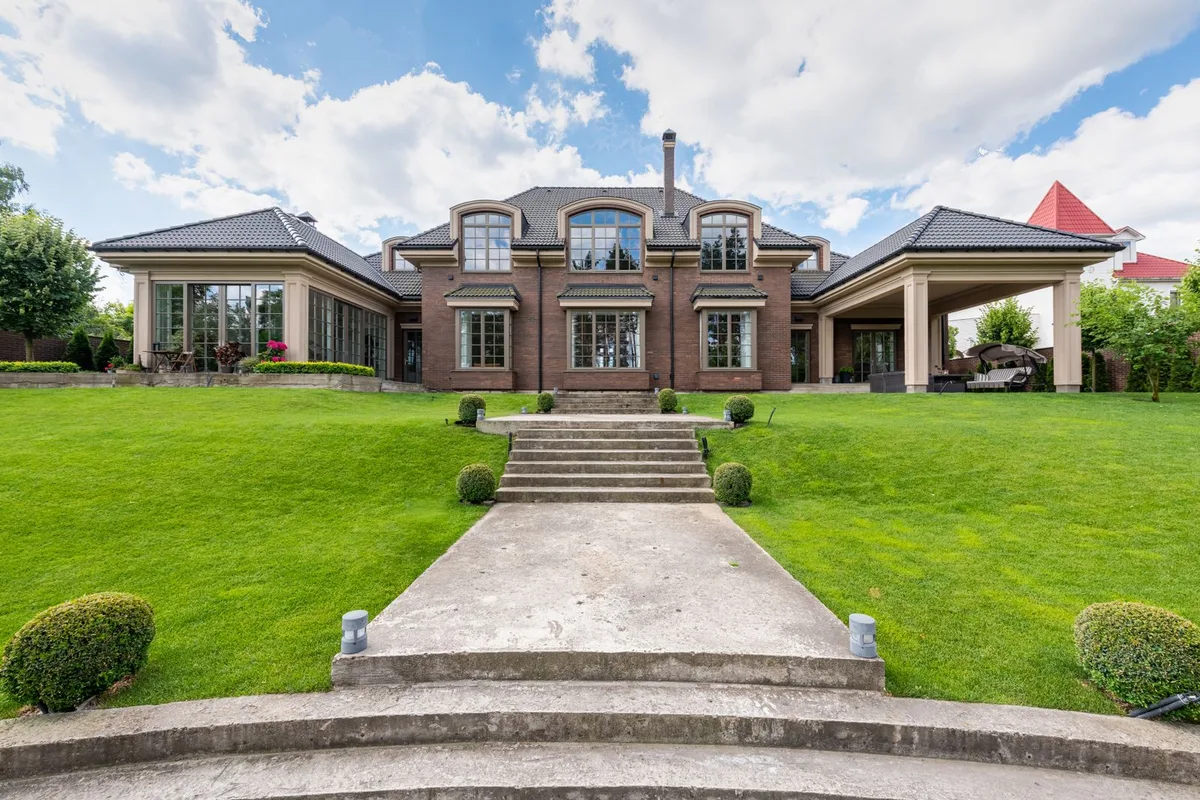
Graymere
ZIP 38401Large custom homes; smoke travels far through big air systems
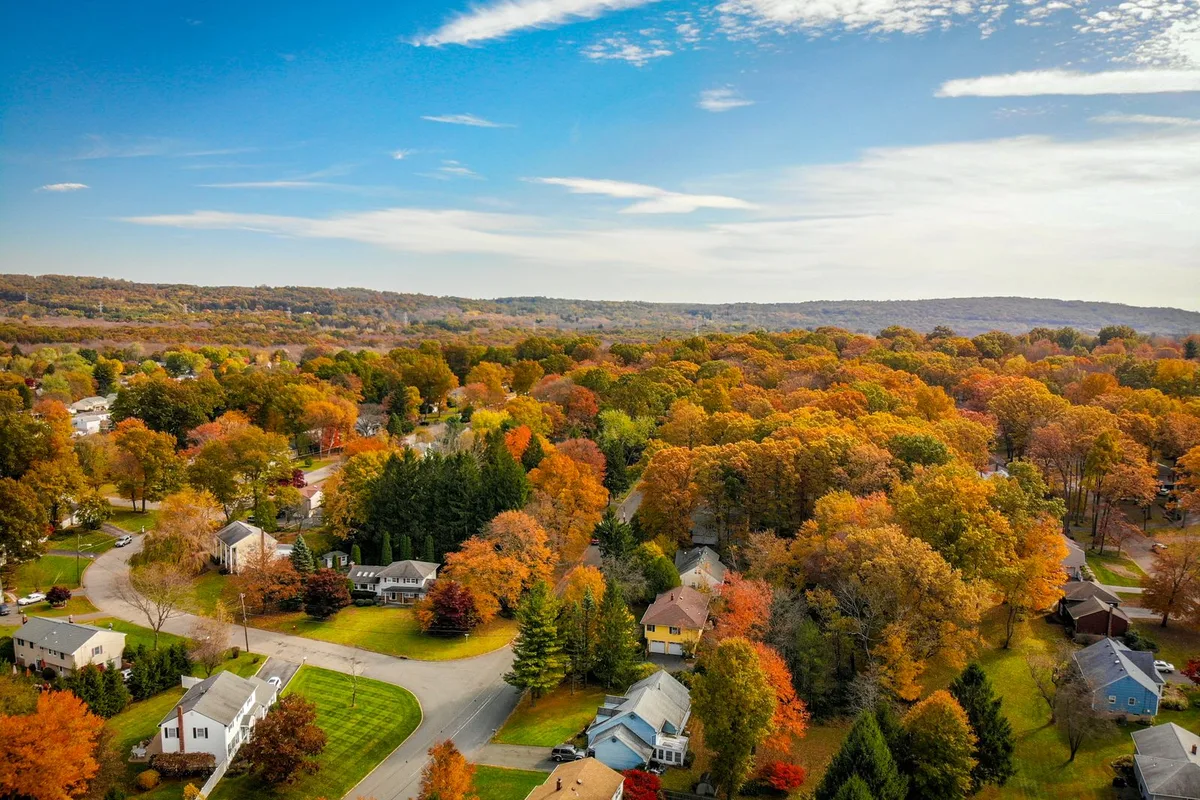
Carters Creek Pike
ZIP 38401Rural and wooded corridor; brush-fire and garage-fire risk
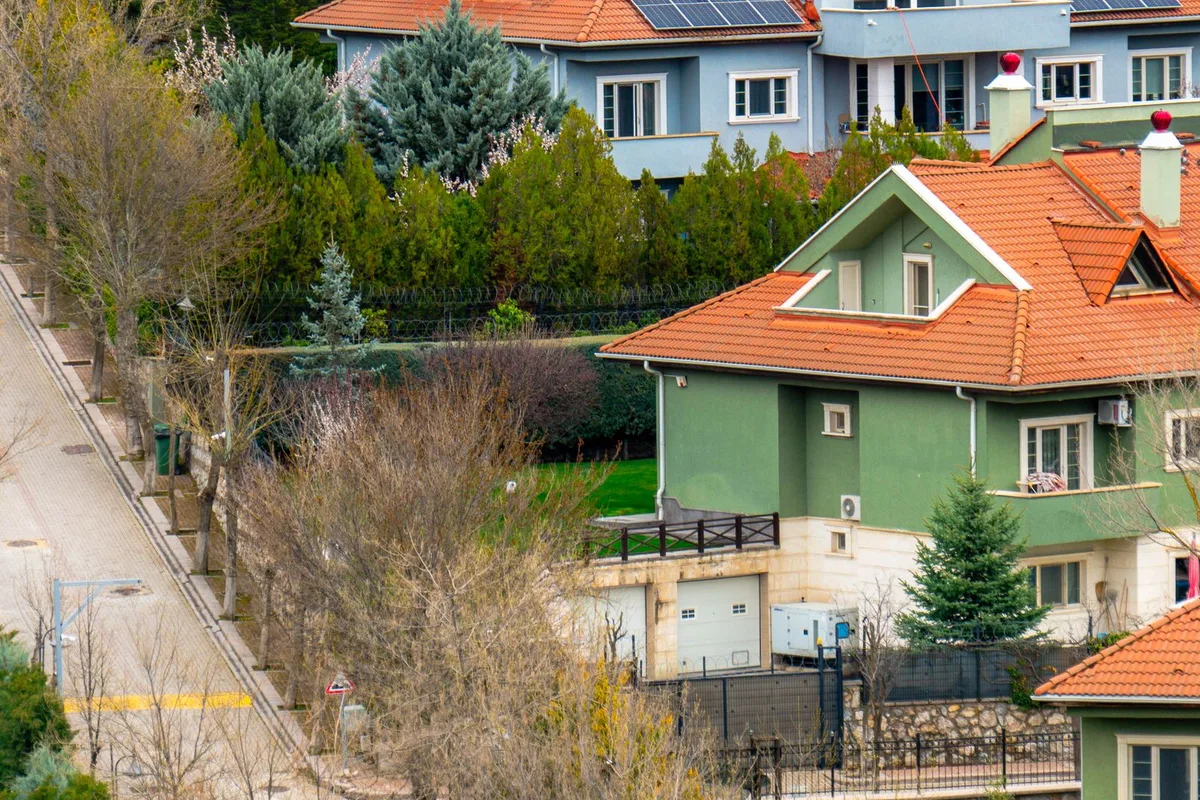
Woodland Park
ZIP 384011980s-90s subdivision; ageing furnaces and panels
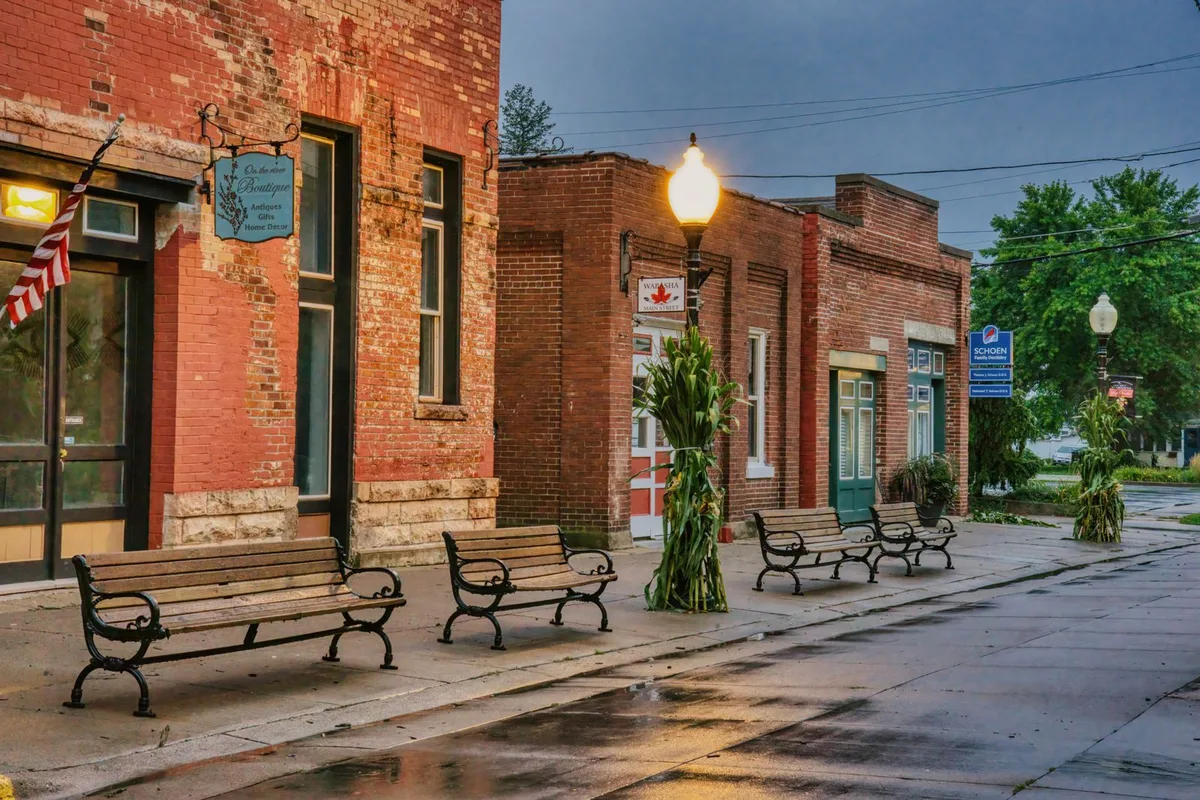
Historic Downtown
ZIP 38401Oldest stock in the city; pre-1940s wiring and chimneys
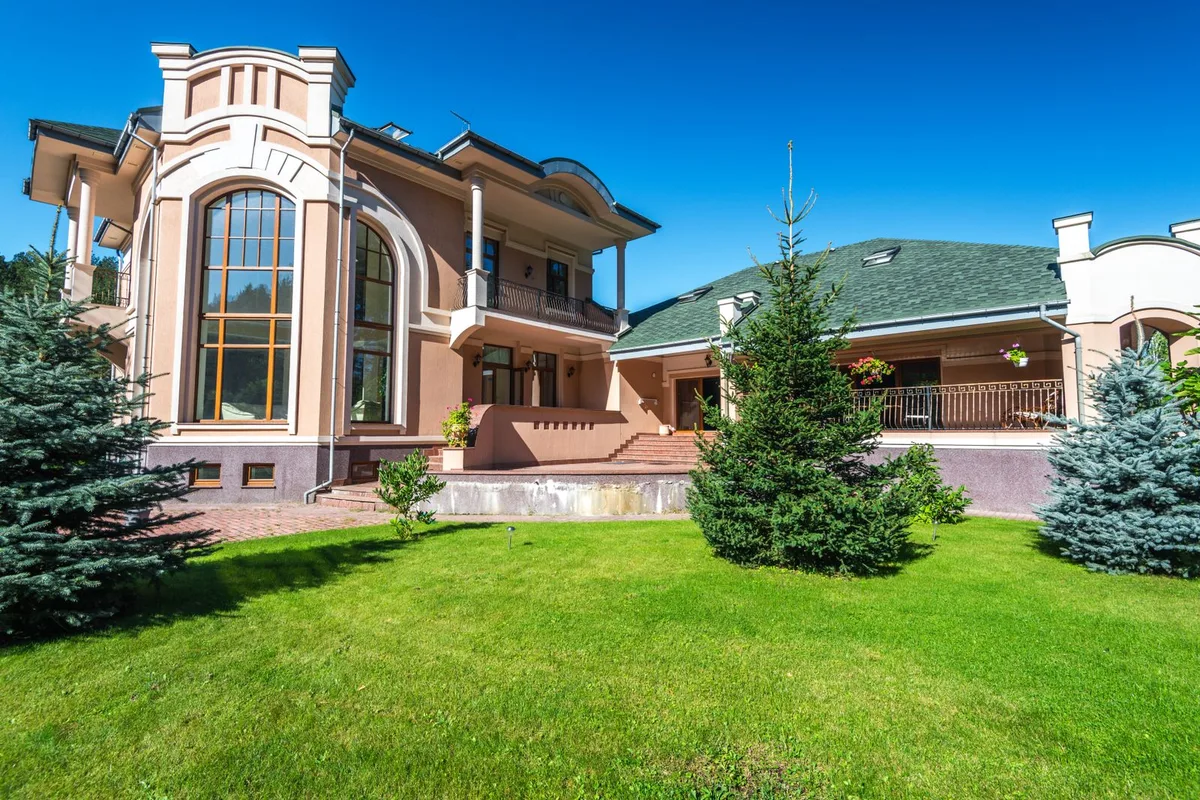
Highlands of Carters Station
ZIP 38401Newest homes in the set; kitchen and garage fires, open-plan smoke spread
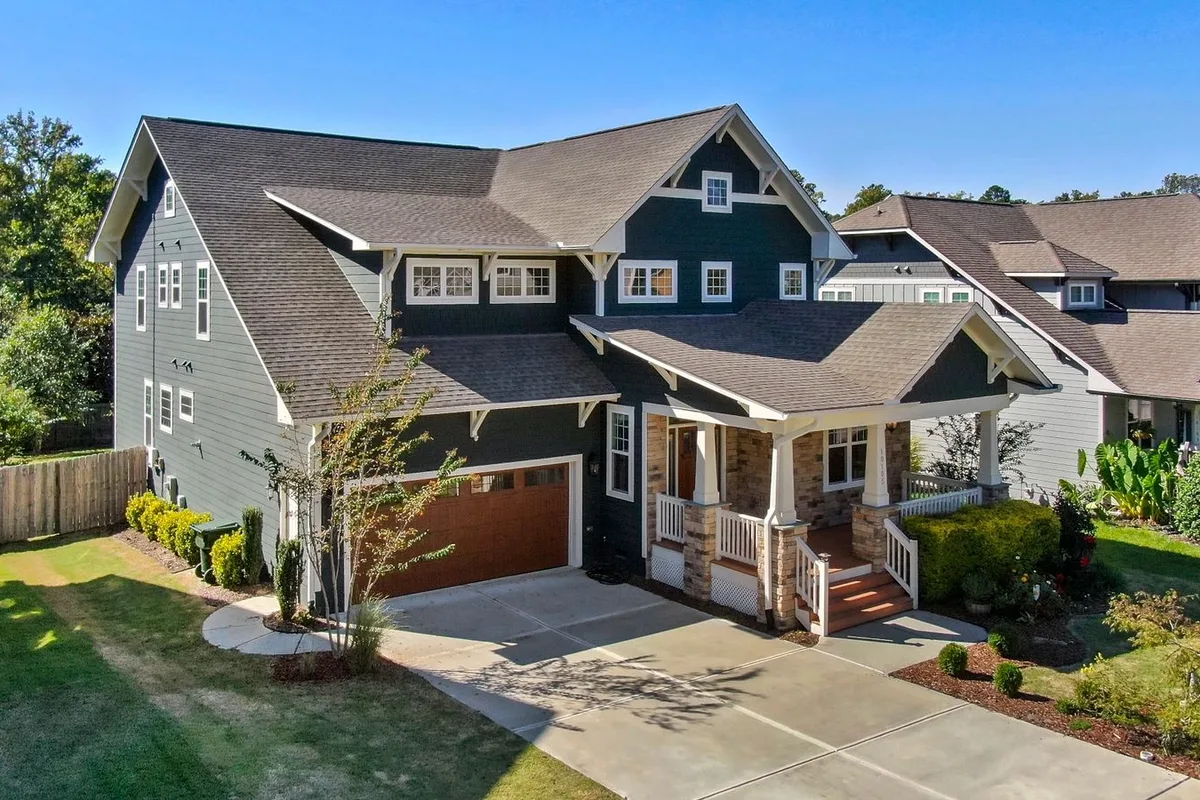
Arden Village
ZIP 384012010s Craftsman homes; dryer vents and attached garages
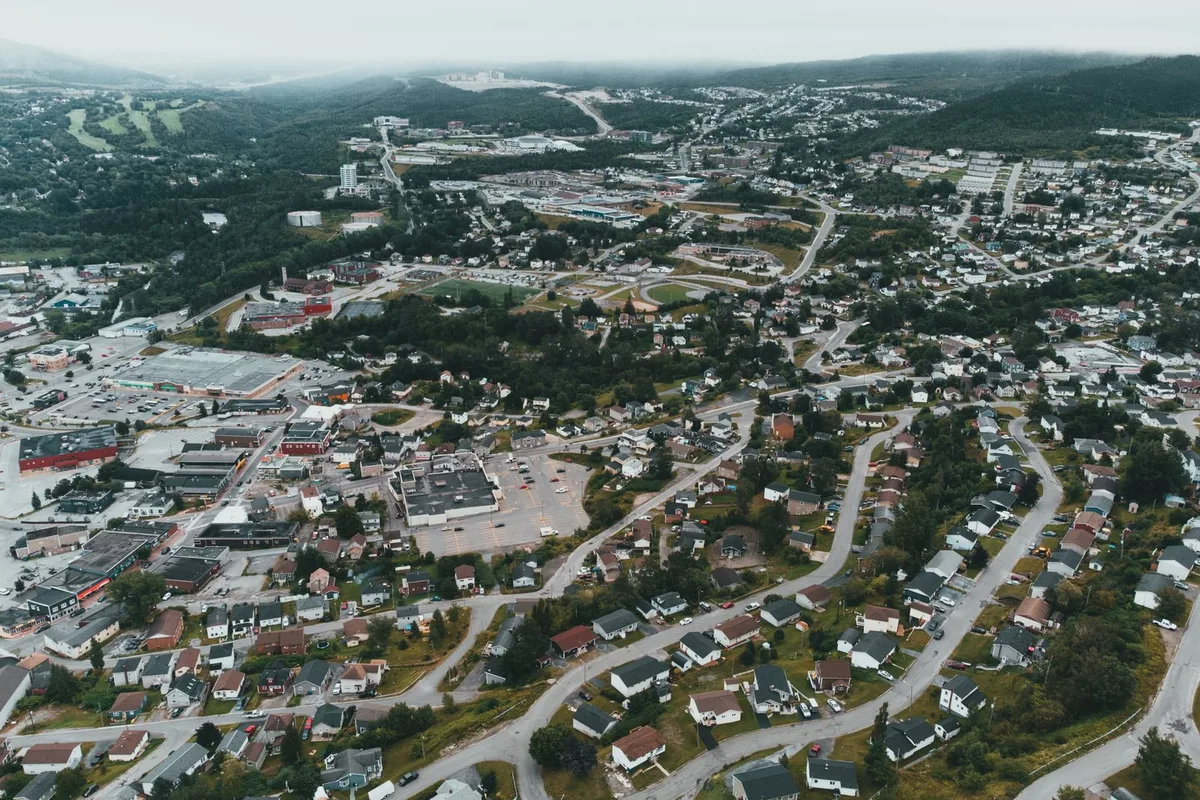
Bear Creek Overlook
ZIP 38401New large hillside homes; open-plan smoke spread, brush edge
How a Fire Damage Restoration Visit Works
Five steps, in order, from the first call to the final walkthrough. Nothing is cleaned before the soot is named, and nothing is rebuilt before the structure is dry.
01
Step 1Call and Describe
You call and describe the fire: where it started, how far the smoke reached and whether the house is safe to enter.
What you do: Note where the fire started and which rooms smell of smoke.
02
Step 2Inspect and Name the Soot
The crew inspects the burn, traces the smoke pathways and names the soot type on each surface.
What you do: Photograph the damage before the crew arrives, if it is safe to do so.
03
Step 3Secure and Quote in Writing
Openings are boarded up, the roof is tarped where it is damaged, and the scope and the price are written down before work starts.
What you do: Ask what the quote covers and what it does not.
04
Step 4Clean, Dry and Deodorize
Soot is cleaned by type, contents are packed out, water from firefighting is extracted and dried, and odor is treated at the source.
What you do: Move undamaged items out of soot-covered rooms, once the house is cleared.
05
Step 5Repair and Recheck
Charred structure is replaced, surfaces are sealed against odor, and the work is rechecked with a final walkthrough and written findings.
What you do: Keep the photographs, the scope and the inventory together in one folder.
Before the Crew Arrives
- Photograph the damage before anything is moved
- Note where the fire started and which rooms smell of smoke
- Move undamaged furniture and electronics out of soot-covered rooms, once the house is cleared
- Keep the insurance policy number and the claim number by the phone
Know Your Soot: Dry, Wet and Oily
Soot is not one substance, and the wrong cleaning method makes the damage worse. The table below compares the three soot types: where each one appears, and how each one is cleaned.
| Soot Type | Where It Appears | How It Is Cleaned | Act Fast Because |
|---|---|---|---|
| Dry soot | Fast-burning wood and paper fires | Dry chemical sponges and HEPA vacuuming | It is acidic and corrodes metal the longer it sits |
| Wet soot | Slow, smoldering plastic and synthetic fires | Careful wet cleaning, never wiped dry | It smears into the surface if wiped the wrong way |
| Oily soot | Kitchen grease fires | Degreasing cleaners matched to cabinets and appliances | It coats hoods and cabinets with a film that spreads |
| Soot on contents | Furniture, clothing and keepsakes | Packout cleaning by material, textiles dry cleaned | Odor sets into porous materials within 24 to 48 hours |
Why Columbia Homeowners Call Duck River Fire Pros
The name is a nod to the river the city sits on: the Duck River runs through Columbia past Riverwalk Park, and its record crest was 51.8 feet in February 1948. A service named for the river works the way the river works: it follows the water, and in fire work the water is the smoke, which travels further than the flame. That is why the visit starts with tracing: the smoke pathways are mapped and the soot type is named on each surface before any cleaning starts.
Four standards hold on every visit. First, the damage is assessed before it is quoted, because the scope decides the price. Second, the soot type is named in writing, dry, wet or oily, because the type decides the method. Third, the price is written before the work, with cleanup, contents and repair separated. Fourth, the visit ends with proof: photographs, a contents inventory and findings in writing, with a recheck after the work is done.
Common Questions
How much does fire damage restoration cost in Columbia, TN?
Nationally, fire damage restoration averages $27,477 per project, and most jobs fall between $3,083 and $52,031, according to the Angi 2026 fire damage restoration cost guide. Those are national figures, not Columbia prices. The exact figure for a Columbia home depends on the fire size, the soot type, the contents work, the structural repair and the water left behind, and it is confirmed in writing after inspection.
How long does fire damage restoration take?
A minor smoke job takes a few days to four weeks. A one-room fire takes two to eight weeks. A multi-room fire takes one to four months. A major structural fire takes three to six months, up to twelve for a full rebuild. Water extraction and drying run three to seven days, soot cleaning one to three weeks, odor treatment the same.
Can you stay in your house during fire damage restoration?
Sometimes, after a small contained fire, with the affected area sealed off. After heavy smoke, water or structural work, almost always stay elsewhere, because the cleaning, the drying equipment and the repair make the house unlivable. Most homeowners policies carry loss-of-use cover for temporary housing up to the policy limit.
Can smoke smell be removed after a house fire?
Yes, when it is treated at the source. Cleaning takes the soot off the surfaces, then porous materials are treated or sealed, and the air system is cleaned so the next heating cycle does not push the smell back into every room. Air fresheners do not work. The test is a room that smells clean on a humid summer day, not on the day the crew leaves.
What should I do first after a house fire?
Stay out until Columbia Fire and Rescue says it is safe to go back in. Photograph everything before anything is moved, because a discarded item cannot be claimed. Call your insurer the same day, then call for board-up and an inspection. Do not wipe the soot, run the vacuum, or turn the power back on until the cause has been checked.
Does homeowners insurance cover fire damage restoration?
Most standard homeowners policies cover fire damage restoration, including smoke and soot damage. Photograph the damage before the cleanup starts, because the claim runs on records. The insurer may recommend cleaners, and loss-of-use cover pays for temporary housing up to the policy limit while the work runs.
A fire loss is a repair, not a rebuild, when the crew arrives in time. Call +1 (844) 468-2611, describe the fire, and a restoration specialist will assess the damage, name the soot type and quote the restoration in writing.
Call Duck River Fire Pros Now
Fire damage in a Columbia home. Describe it and a restoration specialist will assess the damage and quote the restoration in writing.