
Fire Damage Restoration : Columbia, TN
Fire Damage Inspection & Assessment in Columbia, TN
Fire damage inspection in Columbia, TN. Burned areas, smoke pathways and contents assessed in writing. Call +1 (844) 468-2611.
Written ScopePhotographed FindingsSoot Type Named
- First step
- Wait for fire department clearance
- Common cause
- Smoke travelled further than the flame
- Usual fix
- Written scope with photographs
- Visit length
- About one to two hours
Fire damage inspection in Columbia: burned areas, smoke pathways, soot-covered surfaces and affected contents assessed, with a written scope and photographs, so you know exactly what the fire did.
Every fire damage job in Columbia starts with an inspection, and only after the fire department has cleared the property, because smoke travels further than the eye can see. The inspection covers the burned areas and how deep the char goes, the smoke pathways through the vents, the stairwells and the wall cavities, the soot type on each surface, the condition of the contents, the water the firefighting left behind, and the air system that carried the smoke into rooms that never saw a flame, and every finding is photographed before anything is moved. The homeowner gets that finding in writing, in plain language, with a scope that lists what needs doing and what can wait, because a fire loss is out of sight in the wall cavity and an honest report is the only way to know what is damaged. The inspection also answers the question most Columbia homeowners actually ask, which is whether the visible burn is the whole problem or only the part that showed: a clean reading on the framing and a short smoke pathway means the job is small, while soot in the attic means the job is bigger than the burn suggested. An inspection that finds limited damage is still useful, because it gives the house a dated record, and the next inspection starts from facts instead of from scratch.
The inspection through Duck River Fire Pros is the step the whole job runs on. The crew walks the burned rooms and the rooms next door, the floor above and the air system, because smoke runs through vents and inside wall cavities before it shows. The soot type is named on each surface, the water is mapped with moisture meters, and the contents are listed for the claim. The written scope that follows is the document the insurer asks for, the document the next crew works from, and the document the next buyer reads. For the emergency step that comes before it, see emergency fire damage cleanup.

In Columbia, the fire pattern follows the house. The historic homes around the downtown square carry old wiring and old fireplaces, the 1970s ranches in Sunnyside carry ageing panels and furnaces, and the new builds along Bear Creek Pike carry builder-grade appliances that fail early. The visit reads the house first, because the house decides the cause, and the cause decides the fix.
Signs You Need an Inspection
- A burn that looks small but smells big
- Soot in rooms far from the fire
- Smoke in the attic or the air vents
- A ceiling that sags after the fire
- An insurer asking for a written scope
Inspect Now or After the Cleanup?
Inspect now, before the cleanup, because the inspection is what the cleanup runs on: the soot type, the smoke pathways and the water map are all found before anything is moved. A cleanup that starts without an inspection cleans what it can see and misses what it cannot, and the soot in the wall cavity is found only when the smell comes back. The inspection costs the least of any step in the job, and it is the step that makes every other step honest.
How the Visit Works
- Wait for clearance. No one enters until Columbia Fire and Rescue says it is safe.
- Inspect burned areas. The burn and the char depth are measured and written down.
- Trace smoke pathways. Vents, stairwells, wall cavities and the attic are followed for soot.
- Photograph findings. Every finding is photographed before anything is moved.
- Write the scope. The findings become a written scope with the price beside each step.
What This Service Includes
- Inspect burned areas
- Trace smoke pathways
- Photograph findings
- Write the scope
What a Visit Looks Like
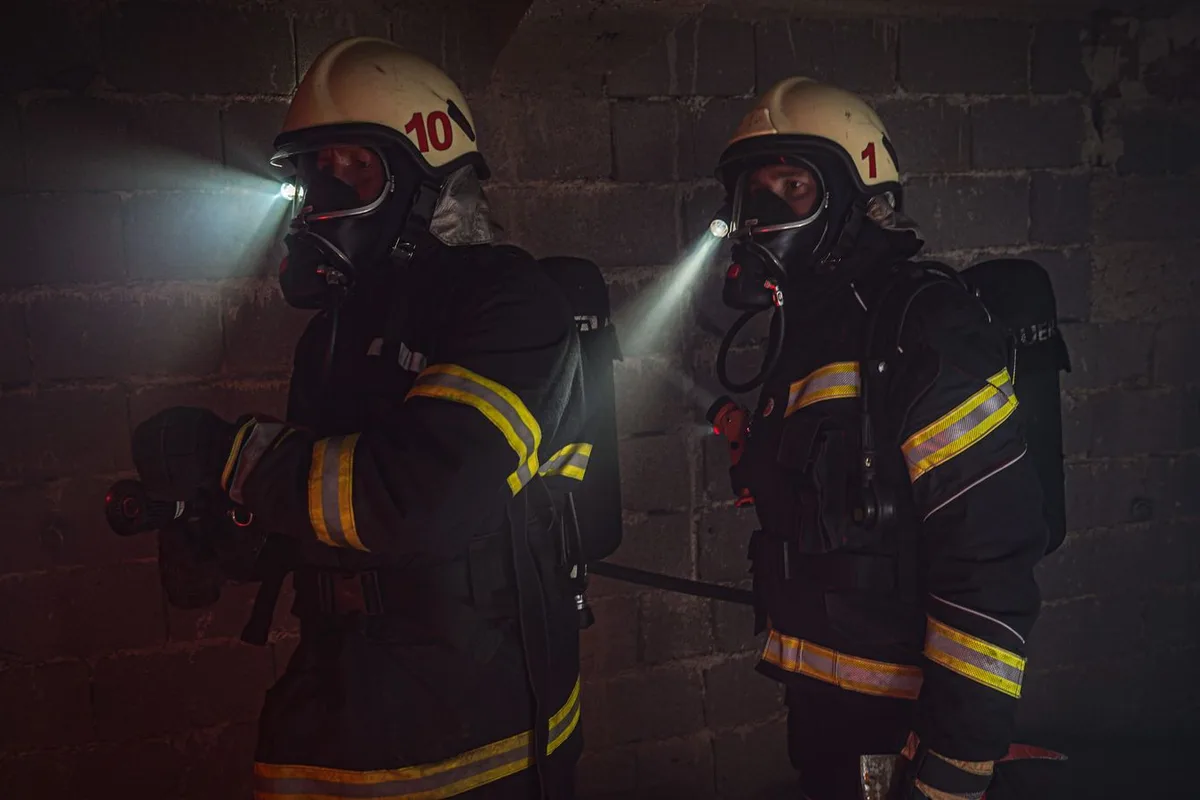
The visit starts after Columbia Fire and Rescue has cleared the property, because a fire-damaged structure can hide weakened floors, live wiring and hot spots that reignite. The crew inspects the burned areas, traces the smoke pathways through the vents, the stairwells and the wall cavities, names the soot type on each surface, and photographs every finding before anything is moved.
The findings come in writing, in plain language, with a scope that lists what needs doing and what can wait. The price is written before the work begins, with cleanup, contents and repair separated, so two quotes can be compared line by line. No work starts without your approval, and the visit ends with the findings in writing and a recheck date set.
What a Fire Damage Inspection Costs
The inspection is the smallest part of the job: nationally, fire damage restoration averages $27,477 per project, according to the Angi 2026 fire damage restoration cost guide, and the inspection is the step that prices the rest of it. The scope that follows the inspection states the exact figure for the cleanup, the contents work and the repair, before any of it starts. Those are national figures, not Columbia prices.
Keeping the Next Inspection Short
An inspection is short when the house is prepared: smoke alarms on every level, a furnace that is serviced, a flue that is swept, a dryer vent that is cleaned, and a fire extinguisher in the kitchen. Keep the photographs, the scope and the inventory together in one folder, because the next inspection starts from facts instead of from scratch.
Common Questions
How long does a fire damage inspection take?
About one to two hours for most homes, longer when the smoke travelled far or the structure is large. The written scope follows the visit, with the findings, the photographs and the price beside each step.
Do I need an inspection if the burn looks small?
Yes. Smoke travels further than the flame, and soot in the attic or the air system means the job is bigger than the burn suggested. An inspection that finds limited damage is still useful, because it gives the house a dated record.
Will the inspection tell me what my insurer needs?
Yes. The written scope, the photographs and the contents inventory are the documents the claim runs on. The inspection is built to produce them, in plain language, before any cleanup starts.
Call +1 (844) 468-2611 and describe the fire: where it started, how far the smoke reached, and whether the house is safe to enter. A restoration specialist will assess the damage, name the soot type and quote the restoration in writing.
Call Duck River Fire Pros
Fire damage in a Columbia home. Describe it and a restoration specialist will assess the damage, name the soot type and quote the restoration in writing.