
Fire Damage Restoration : Columbia, TN
Smoke & Soot Removal in Columbia, TN
Smoke and soot removal in Columbia, TN. Dry, wet and oily soot cleaned by type and surface. Call +1 (844) 468-2611.
Soot Type NamedDry-Clean FirstHEPA Vacuumed
- First step
- Name the soot type
- Common cause
- Kitchen, heating and electrical fires
- Usual fix
- Clean by soot type and surface
- Visit length
- One to three weeks for a full clean
Smoke and soot removal in Columbia: dry, wet and oily soot cleaned with methods matched to the residue and the surface, so walls, ceilings and contents are cleaned properly instead of smeared.
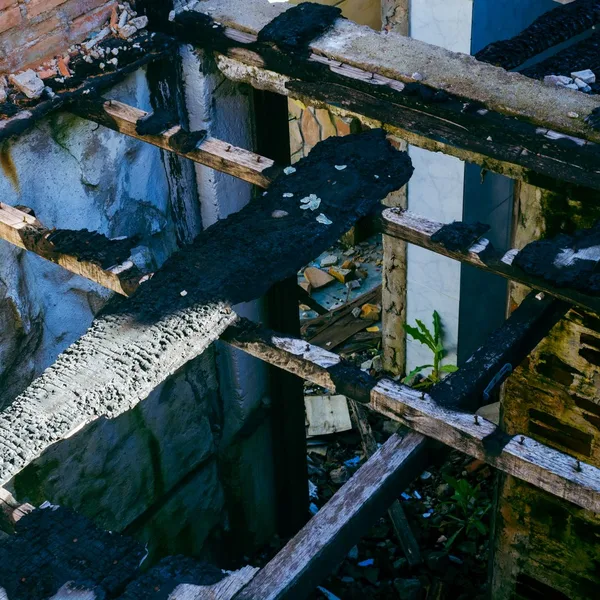
Soot is not one substance, and cleaning it with the wrong method makes the damage worse instead of better. Dry soot comes from fast-burning wood and paper and lifts with dry chemical sponges and HEPA vacuuming, wet soot comes from slow smoldering plastics and synthetics and smears if it is wiped dry, and oily soot comes from a kitchen grease fire and coats cabinets, range hoods and appliances with a film that needs a different cleaner again. Soot is also acidic, so it corrodes metal fixtures, appliances and electronics the longer it sits, and it settles far beyond the room that burned: on walls and ceilings, inside cabinets, across carpets and furniture, and through the air system into rooms that never saw a flame. In Columbia homes, where attics, bonus rooms and finished basements hold smoke for weeks, the cleaning must follow the smoke pathways, not just the burn pattern, and every surface must be matched to its soot type before a cloth touches it.
Cleaning through Duck River Fire Pros starts with testing, not wiping. A small area of each surface is tested to name the soot and to prove the method works, then the dry cleaning runs first across the whole house, because dry soot that is wetted first can never be lifted clean. The air system is cleaned after the surfaces, so the next heating cycle does not push soot back into clean rooms. Where the soot has gone too deep, the surface is cut out rather than cleaned, and the decision is written down. For the smell that stays after the soot is gone, see smoke odor removal and deodorization.
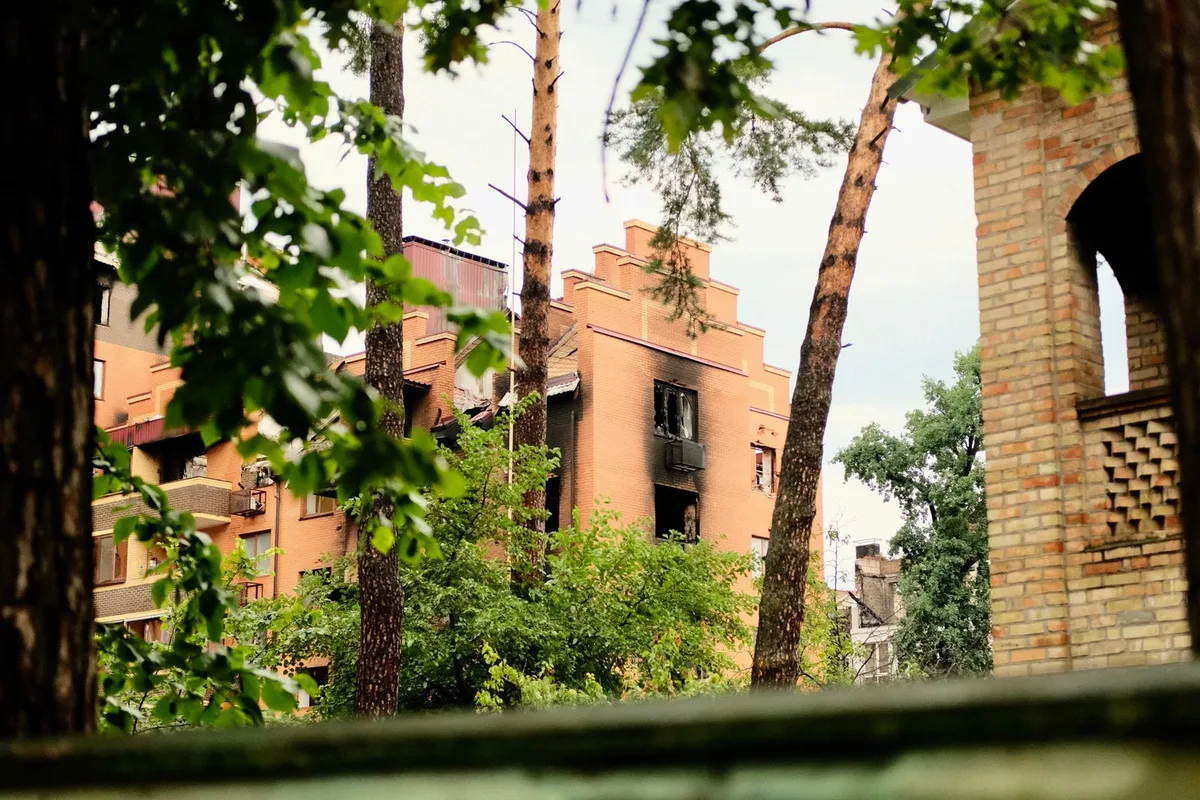
In Columbia, the fire pattern follows the house. The historic homes around the downtown square carry old wiring and old fireplaces, the 1970s ranches in Sunnyside carry ageing panels and furnaces, and the new builds along Bear Creek Pike carry builder-grade appliances that fail early. The visit reads the house first, because the house decides the cause, and the cause decides the fix.
Signs Soot Is Still on Your Surfaces
- Black film on walls and ceilings that smears when touched
- Soot inside cabinets and drawers far from the fire
- Metal fixtures tarnishing or corroding after the fire
- A grey haze on windows and mirrors that will not wash off
- Soot in the air vents and on the filter
Clean It or Replace It?
Clean it when the soot sits on the surface and the material underneath is sound. Replace it when the soot has soaked through, as it does in drywall that absorbed smoke, insulation that took in odor, and carpet that held soot for days. The visit states which one fits each surface, and the scope prices that one, not both.
How the Visit Works
- Name the soot. Each surface is tested so the soot type is known before cleaning starts.
- Dry-clean first. Dry soot is lifted with dry chemical sponges before any water touches it.
- HEPA vacuum. Loose soot is vacuumed with a HEPA filter so fine soot does not blow through the house.
- Wet-clean and rinse. Wet and oily soot are cleaned with the cleaner matched to the residue.
- Seal against odor. Surfaces that held odor are sealed so the smell does not come back through new paint.
What This Service Includes
- Identify the soot type
- Dry-clean first
- HEPA vacuum
- Wet-clean and rinse
What a Visit Looks Like
The visit starts after Columbia Fire and Rescue has cleared the property, because a fire-damaged structure can hide weakened floors, live wiring and hot spots that reignite. The crew inspects the burned areas, traces the smoke pathways through the vents, the stairwells and the wall cavities, names the soot type on each surface, and photographs every finding before anything is moved.
The findings come in writing, in plain language, with a scope that lists what needs doing and what can wait. The price is written before the work begins, with cleanup, contents and repair separated, so two quotes can be compared line by line. No work starts without your approval, and the visit ends with the findings in writing and a recheck date set.
What Smoke and Soot Removal Costs
Nationally, soot removal runs $2,000 to $6,000, according to the Angi 2026 fire damage restoration cost guide, and smoke damage cleaning runs $200 to $1,200 per room. The price follows the soot type and the area the smoke reached, not the size of the burn alone. Those are national figures, not Columbia prices, and the written scope states the exact figure before work starts.
Keeping Soot Off Your Walls
Soot cannot be prevented once a fire starts, but the damage can be limited. Do not wipe soot with a damp cloth, do not run a vacuum without a HEPA filter, and do not run the heating or cooling system after a fire, because the air system carries fine soot into every room. Keep the rooms closed until the crew arrives, and let the cleaning follow the smoke pathways, not the burn pattern.
Common Questions
Can soot be cleaned off walls, or does the drywall have to go?
Most soot on painted walls cleans off when the method matches the soot type. Drywall that absorbed smoke deeply, or that was heated enough to blister, is cut out instead, because soot inside the board cannot be wiped away and the smell comes back through new paint.
Is soot dangerous to touch or breathe?
Soot is acidic and carries fine particles, so it irritates skin, eyes and lungs, and it corrodes metal the longer it sits. Wear gloves and a mask if you must handle soot-covered items, and leave the cleaning to the crew, who work with HEPA vacuums and the right cleaners.
How long does soot cleaning take?
A single room takes days. A whole house takes one to three weeks, because the cleaning runs room by room and surface by surface, and the air system is cleaned last. The drying and the odor treatment that follow add their own time.
Call +1 (844) 468-2611 and describe the fire: where it started, how far the smoke reached, and whether the house is safe to enter. A restoration specialist will assess the damage, name the soot type and quote the restoration in writing.
Call Duck River Fire Pros
Fire damage in a Columbia home. Describe it and a restoration specialist will assess the damage, name the soot type and quote the restoration in writing.