
Fire Damage Restoration : Columbia, TN
Structural Fire Damage Repair in Columbia, TN
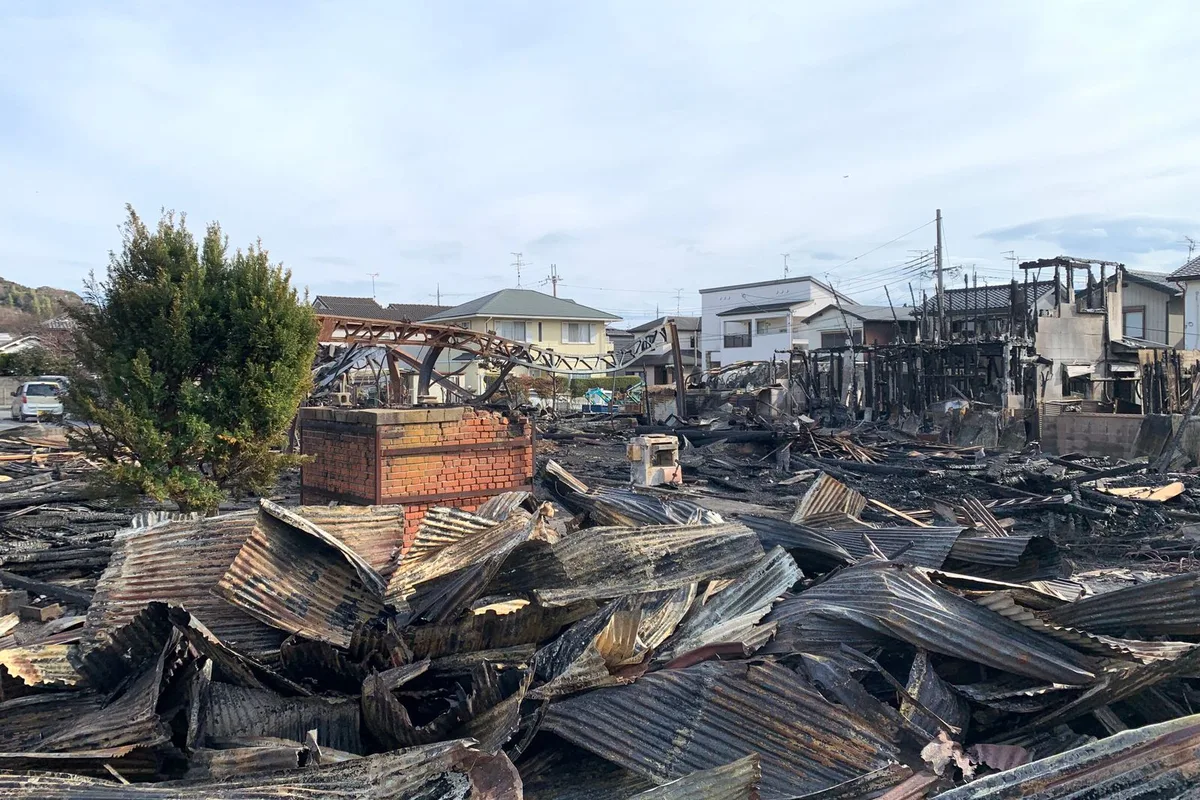
Structural fire damage repair in Columbia, TN. Charred framing assessed, damaged structure replaced and rebuilt. Call +1 (844) 468-2611.
Char MeasuredSealed Against OdorRebuilt to Pre-Loss
- First step
- Measure how deep the char goes
- Common cause
- Framing, drywall and flooring burned
- Usual fix
- Replace charred structure, seal, rebuild
- Visit length
- Weeks to months, by damage
Structural fire damage repair in Columbia: charred framing, drywall and flooring assessed, damaged structure replaced, and the home rebuilt to its pre-loss condition.
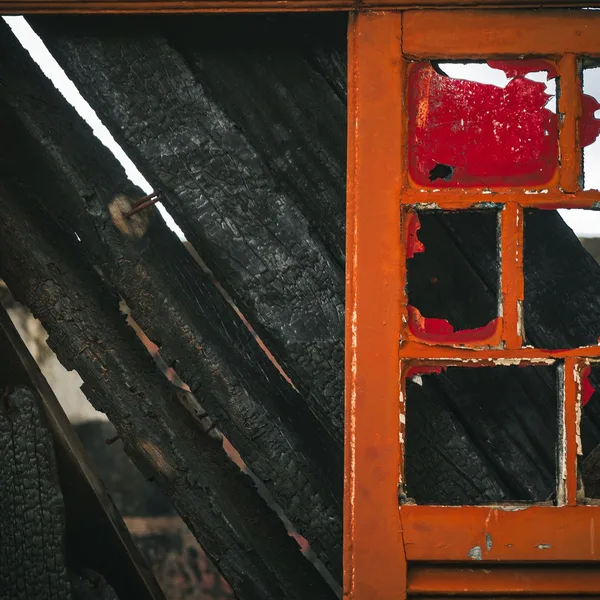
Fire weakens a structure in ways that are not visible from the room, and the repair must start with an honest assessment, not with a coat of paint. Charred framing is measured for how deep the char goes, because a joist that is charred on the surface can often be kept while a joist that is charred through must be replaced, and the same judgement applies to the subfloor, the wall studs and the roof deck. Drywall that absorbed smoke is cut out, insulation that soaked up odor is removed, and the remaining structure is sealed before it is finished, so the smell does not come back through the new paint. The water from firefighting is extracted and dried before the rebuild starts, because a rebuild over a wet structure grows mold within weeks. In Columbia, where the historic homes around the downtown square carry old framing and the new subdivisions carry engineered lumber, the assessment must fit the house, and a repair that respects the structure is a repair that lasts.
The rebuild through Duck River Fire Pros follows the assessment, not the other way round. Charred material is removed first, then the structure is dried to a measured standard, then the remaining framing is sealed against odor, and only then does the finishing start: drywall, flooring, trim and paint, in that order. The work is checked at each stage, and the findings stay in writing, so the next buyer and the next insurer can see what was replaced and what was kept. For the assessment that starts the job, see fire damage inspection and assessment, and for the water that must be dried first, see water damage cleanup after firefighting.
In Columbia, the fire pattern follows the house. The historic homes around the downtown square carry old wiring and old fireplaces, the 1970s ranches in Sunnyside carry ageing panels and furnaces, and the new builds along Bear Creek Pike carry builder-grade appliances that fail early. The visit reads the house first, because the house decides the cause, and the cause decides the fix.
Signs the Structure Needs Repair
- Charred joists or studs visible in the room
- A floor that bounces or feels soft
- Drywall that smells of smoke through the paint
- A ceiling that sags after the fire
- Insulation that soaked up odor
Keep It or Replace It?
Keep it when the char is on the surface and the member still carries its load: a joist charred on the face can often be kept, sealed and sistered. Replace it when the char goes through, when the member has lost its strength, or when the drywall and insulation absorbed smoke too deep to clean. The assessment measures the char depth member by member, and the scope prices what is replaced, not what is kept.
How the Visit Works
- Assess the structure. Char depth is measured on every framing member, and the findings are written down.
- Remove charred material. Framing, drywall and flooring that cannot be kept are taken out.
- Dry what the firefighting wet. The structure is dried to a measured standard before any rebuild.
- Seal against odor. Remaining framing is sealed so the smell does not come back through new paint.
- Rebuild and finish. Drywall, flooring, trim and paint go back in, in that order.
What This Service Includes
- Assess the structure
- Remove charred material
- Seal against odor
- Rebuild and finish
What a Visit Looks Like
The visit starts after Columbia Fire and Rescue has cleared the property, because a fire-damaged structure can hide weakened floors, live wiring and hot spots that reignite. The crew inspects the burned areas, traces the smoke pathways through the vents, the stairwells and the wall cavities, names the soot type on each surface, and photographs every finding before anything is moved.
The findings come in writing, in plain language, with a scope that lists what needs doing and what can wait. The price is written before the work begins, with cleanup, contents and repair separated, so two quotes can be compared line by line. No work starts without your approval, and the visit ends with the findings in writing and a recheck date set.
What Structural Fire Damage Repair Costs
Nationally, fire damage restoration averages $27,477 per project, according to the Angi 2026 fire damage restoration cost guide, and the structural repair is the largest share of that total: a major structural fire nationally runs $50,000 to $200,000 or more. The range is wide because the price follows how much framing, drywall and flooring must be replaced. Those are national figures, not Columbia prices, and the written scope states the exact figure before work starts.
Keeping the Structure Sound After the Repair
A rebuilt structure stays sound when it was dried and sealed properly first. Do not paint over a smoke smell, do not finish over damp framing, and do not skip the final walkthrough, because the walkthrough is where the sealing and the drying are proven. Keep the photographs, the scope and the findings together, because the next buyer and the next insurer will ask for them.
Common Questions
Can charred framing be kept, or must it always be replaced?
Surface char can often be kept: a joist charred on the face still carries its load once it is cleaned and sealed. Char that goes through the member, or framing that has lost its strength, must be replaced. The assessment measures the char depth member by member.
How long does a structural repair take?
A one-room repair takes weeks. A multi-room repair takes one to four months. A major structural repair takes three to six months, and up to six to twelve months for a full rebuild. The drying that must come first adds days to weeks on its own.
Will the house smell of smoke after the repair?
Not when the work is done in order. The remaining structure is sealed against odor before it is finished, so the smell does not come back through the new paint. A house that smells on a humid day after the repair was sealed wrong, or not at all.
Call +1 (844) 468-2611 and describe the fire: where it started, how far the smoke reached, and whether the house is safe to enter. A restoration specialist will assess the damage, name the soot type and quote the restoration in writing.
Call Duck River Fire Pros
Fire damage in a Columbia home. Describe it and a restoration specialist will assess the damage, name the soot type and quote the restoration in writing.