
Fire Damage Restoration : Columbia, TN
Water Damage Cleanup After Firefighting in Columbia, TN
Water damage cleanup after firefighting in Columbia, TN. Standing water extracted and the structure dried. Call +1 (844) 468-2611.
Water Extracted FastDried to a Measured StandardDrying Log Kept
- First step
- Extract the standing water
- Common cause
- Hoses and sprinklers
- Usual fix
- Extract, map moisture, dry to standard
- Visit length
- Three to seven days of drying
Water damage cleanup after firefighting in Columbia: standing water from hoses and sprinklers extracted, the structure dried to a measured standard, so the fire loss does not become a mold problem.
Every fire that is fought with water leaves a second loss behind it, and it is the loss most homeowners forget to plan for. Hundreds of gallons from hoses and sprinklers soak the subfloor, the drywall and the insulation, run under the baseboards into the next room, and pool in the crawl space and the basement, and that water keeps damaging the house long after the fire is out. The cleanup follows the same discipline as any water loss: extraction takes the standing water, moisture meters map how far it travelled, air movers and dehumidifiers run until the readings reach a dry standard set from an unaffected part of the same house, and the drying log records those readings, because a fire claim with a drying log settles faster than one without. Columbia's humid summers make this step harder than in a dry climate, because the air itself carries moisture, and a home that is rebuilt over a wet structure will grow mold within weeks, so the drying is finished when the meters say so, not when the surfaces feel dry.
The drying through Duck River Fire Pros is measured, not guessed. Moisture meters map the water before the equipment starts, and the readings are logged every day until they reach the dry standard, so the homeowner and the insurer can both see the proof. Air movers and dehumidifiers are sized to the space, because a setup that is too small for the room will run all day and change nothing. The structure is not rebuilt until the meters agree it is dry. For the emergency step that starts the job, see emergency fire damage cleanup, and for the rebuild that follows, see structural fire damage repair.
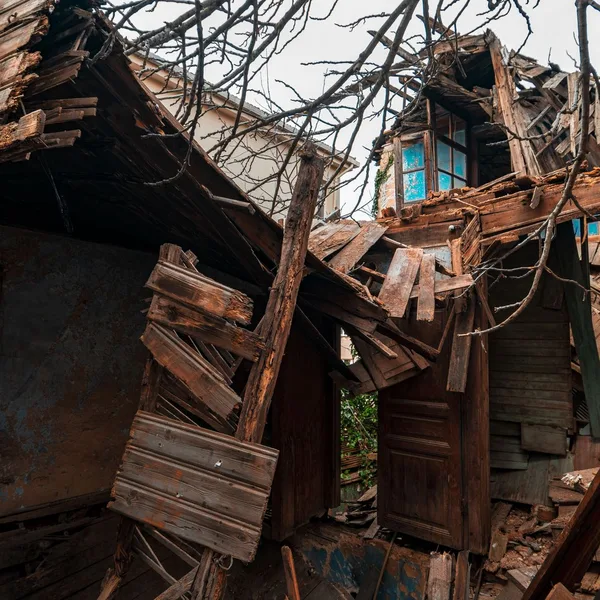
In Columbia, the fire pattern follows the house. The historic homes around the downtown square carry old wiring and old fireplaces, the 1970s ranches in Sunnyside carry ageing panels and furnaces, and the new builds along Bear Creek Pike carry builder-grade appliances that fail early. The visit reads the house first, because the house decides the cause, and the cause decides the fix.
Signs Water Is Still in the Structure
- Standing water on the floors after the fire
- Wet drywall up to a foot or more high
- Water under the baseboards in the next room
- A damp smell that grows in the days after the fire
- Warped flooring or swollen door frames
Dry It or Replace It?
Dry it when the material is sound and the water has not sat long: subfloor, framing and hardwood usually dry well. Replace it when the drywall has soaked through, the insulation is saturated, or the carpet padding held water for days, because wet insulation does not insulate and soaked drywall grows mold from the inside. The moisture readings decide, and the scope prices what is replaced.
How the Visit Works
- Extract the water. Standing water is taken out with truck-mounted extraction.
- Map the moisture. Meters map how far the water travelled, including under baseboards.
- Run air movers and dehumidifiers. Equipment runs until the readings reach the dry standard.
- Log the readings. Every reading is logged, because the log is the proof the claim needs.
- Check for mold risk. The structure is checked before any rebuild starts over it.
What This Service Includes
- Extract the water
- Map the moisture
- Dry to the standard
- Check for mold risk
What a Visit Looks Like
The visit starts after Columbia Fire and Rescue has cleared the property, because a fire-damaged structure can hide weakened floors, live wiring and hot spots that reignite. The crew inspects the burned areas, traces the smoke pathways through the vents, the stairwells and the wall cavities, names the soot type on each surface, and photographs every finding before anything is moved.
The findings come in writing, in plain language, with a scope that lists what needs doing and what can wait. The price is written before the work begins, with cleanup, contents and repair separated, so two quotes can be compared line by line. No work starts without your approval, and the visit ends with the findings in writing and a recheck date set.
What Water Damage Cleanup After Firefighting Costs
Nationally, water damage cleanup runs $1,000 to $6,000, and water extraction and drying runs $3,000 to $15,000, according to the Angi 2026 fire damage restoration cost guide. The range follows how much water the firefighting left and how far it travelled. Those are national figures, not Columbia prices, and the written scope states the exact figure before work starts.
Keeping the Fire Loss From Becoming a Mold Problem
Mold grows where water sits, and it grows fast in a Columbia summer. Extract the water the same day, dry to the measured standard, and do not rebuild over a wet structure. A home that is dried when the meters say so, not when the surfaces feel dry, is a home that does not grow mold at the next humid week.
Common Questions
How long does drying take after a fire?
Three to seven days of drying for most homes, longer when the water ran under floors or into the crawl space. The drying is finished when the moisture readings reach the dry standard, not when the surfaces feel dry.
Can I rebuild before the structure is dry?
No. A rebuild over a wet structure grows mold within weeks, and the mold then costs more to remove than the drying ever did. The rebuild starts when the meters agree the structure is dry.
Will my insurer cover the water damage from firefighting?
Usually, yes, as part of the fire claim: the water is damage from fighting the fire, not a separate loss. The drying log and the moisture readings are the records the claim needs, so keep them with the file.
Call +1 (844) 468-2611 and describe the fire: where it started, how far the smoke reached, and whether the house is safe to enter. A restoration specialist will assess the damage, name the soot type and quote the restoration in writing.
Call Duck River Fire Pros
Fire damage in a Columbia home. Describe it and a restoration specialist will assess the damage, name the soot type and quote the restoration in writing.